

-
×
 Lady scrittoio scrivania ufficio stile Chippendale Inglese Secretaire Noce Ecope
- Vendor:
Dario Raia Antique Modern Vintage furniture
- Garanzia:
14 Days
1 × 899,00 € -
×
 Comodini in varie essenze Anni '50 Mid Century Design Nightstand bedside table
- Vendor:
Dario Raia Antique Modern Vintage furniture
- Garanzia:
14 Days
1 × 999,00 € -
×
 Comò cassettone cassettiera XIX secolo in noce
- Vendor:
Dario Raia Antique Modern Vintage furniture
- Garanzia:
14 Days
1 × 559,20 € -
×
 Cassettiera secrétaire Luigi XVI in legno e marmo ('800)
- Vendor:
Dario Raia Antique Modern Vintage furniture
- Garanzia:
14 Days
1 × 1.799,00 € -
×
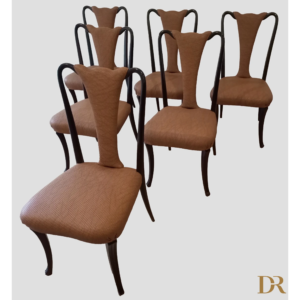 6 sedie pranzo vintage palissandro modernariato mid century anni 50 restaurate
- Vendor:
Dario Raia Antique Modern Vintage furniture
- Garanzia:
14 Days
1 × 1.199,20 € -
×
 Comodini in noce, XIX secolo, Italia, fine XIX secolo, set di 2
- Vendor:
Dario Raia Antique Modern Vintage furniture
- Garanzia:
14 Days
1 × 1.199,00 € -
×
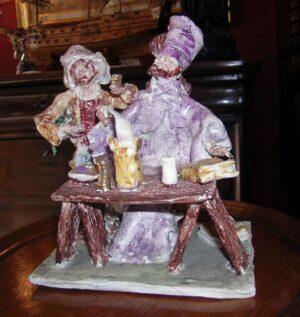 Mestiere dell'architetto in porcellana
- Vendor:
Antiquariato ed Oggetti D'Arte di Perotti Marco
1 × 305,00 € -
×
 Fiamma Nirenstein - Antisemitismo. "Gli antisemiti progressisti. La forma nuova di un odio antico" - Rizzoli ed.
- Vendor:
Anticando
- Garanzia:
30 Days
1 × 6,50 € -
×
 Giorgio Bocca - libro usato "Pandemonio" - il miraggio della New Economy
- Vendor:
Anticando
- Garanzia:
30 Days
1 × 9,90 €















IT'S FREE FOREVER!
JUST 100 WINNER
THE 100 VENDORS WHO ARE SELECTED WILL WIN THE FREE SUBSCRIPTION

Reviews
There are no reviews yet.